
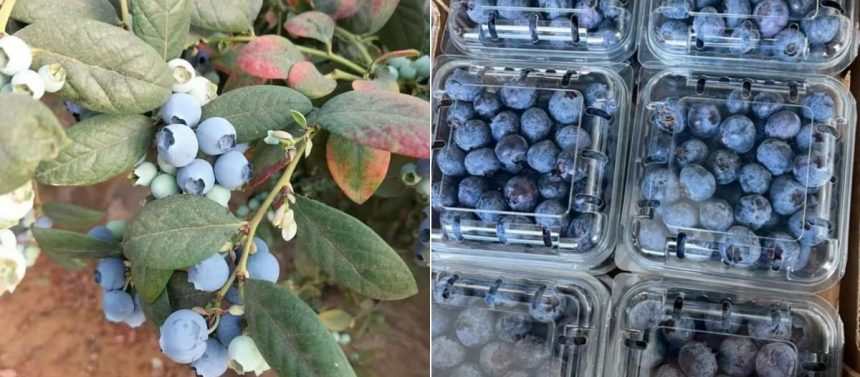

Entre la presión comercial y la realidad fisiológica del fruto
El cierre de la temporada 2025–2026 deja una conclusión difícil de ignorar: en berries, y especialmente en blueberries, la competitividad ya no depende solo de producir más o llegar más lejos, sino de llegar mejor.
Durante esta campaña, la conversación en la industria volvió a girar en torno a los mismos síntomas que siguen impactando la percepción de calidad en destino: deshidratación, sobremadurez, pérdida de firmeza, colapso de bloom, desuniformidad de condición y menor vida útil comercial. Sin embargo, lo relevante no es solo que estos problemas persistan, sino que hoy ocurren en un contexto mucho más exigente: ventanas logísticas menos predecibles, mayor escrutinio del retail, costos más sensibles y una variabilidad climática y geopolítica que obliga a revisar supuestos que antes parecían estables.
En ese contexto, la temporada 25–26 también dejó aprendizajes valiosos. Desde mi experiencia trabajando en evaluación de calidad, postcosecha y pruebas de tecnologías en LATAM, USA y EMEA, he podido ver con bastante claridad que los desafíos de arribo rara vez tienen una sola causa. En la mayoría de los casos, lo que vemos en destino es la manifestación final de una cadena de decisiones acumuladas: cosecha, temperatura de pulpa, tiempos de espera, packing, enfriamiento, selección varietal, manejo de humedad, empaque, tránsito y lectura comercial del riesgo; no podemos dejarle todo a la genética, si, hay muy buena genética pero hablamos de seres vivos, tenemos desafíos aun por cumplir.
La gran oportunidad hacia la temporada 26–27 está en dejar de tratar los defectos de arribo como eventos aislados y empezar a gestionarlos como lo que realmente son: fallas sistémicas de consistencia en postcosecha, respondiendo a los desafíos por cumplir.
La temporada 25–26: menos margen para equivocarse
La campaña que termina estuvo marcada por una combinación compleja de factores: presión de volumen en ciertos orígenes, exigencias comerciales sostenidas, rutas logísticas tensionadas y una condición de fruta que, en muchos casos, llegó más “al límite” de lo deseable.
En blueberries, el problema no fue únicamente “llegar tarde” o “llegar blando”. El problema fue, con demasiada frecuencia, llegar con fruta fisiológicamente fatigada, es decir, fruta que aunque visualmente podía aún ser comercializable al arribo por características genéticas de las variedades, ya mostraba una reserva postcosecha muy reducida para soportar distribución, góndola o reempaque.
Eso se expresó de distintas maneras:
- Deshidratación, visible en pérdida de turgencia, arrugamiento parcial o sensación de fruta “liviana”.
- Sobremadurez, especialmente en lotes que venían con madurez heterogénea desde origen o que acumularon demasiadas horas térmicas fuera de control ideal.
- Pérdida de firmeza, no siempre evidente al abrir la caja, pero sí crítica en la experiencia del consumidor, correlacionados con alto azúcar, perdida de características organolepticas.
- Mayor sensibilidad al tiempo de tránsito, incluso en lotes que en campañas anteriores hubieran tolerado mejor las mismas rutas.
- Inconsistencia entre lotes y variedades, lo que complicó tanto la planificación comercial como la toma de decisiones de liberación en destino.
Lo importante aquí es que estos síntomas no deben leerse solo como “problemas de postcosecha”, sino como un reflejo de algo más profundo: la distancia entre el potencial fisiológico de la fruta y la realidad operacional del manejo de la cadena.
Y esa distancia, en muchos casos, sigue siendo demasiado grande.
Lo que vimos en destino: cuando la fruta llega, pero no necesariamente arriba bien
Uno de los errores más comunes en la industria es medir el éxito logístico en términos binarios: “la fruta llegó”. Pero en berries, y especialmente en mercados de alta exigencia, arribar no es equivalente a conservar valor.
Esta temporada volvió a confirmarse algo clave: la calidad en destino no se pierde en un solo punto; se erosiona progresivamente.
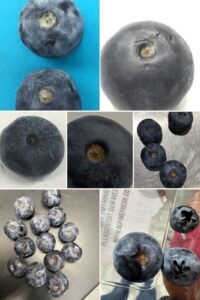
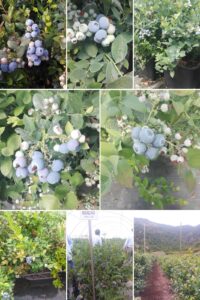
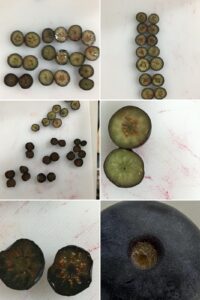
1. Deshidratación: un síntoma, no una causa
La deshidratación sigue siendo uno de los problemas más visibles y más subestimados en blueberries. Muchas veces se la atribuye únicamente a “tránsitos largos” o “falta de humedad”, cuando en realidad suele ser el resultado de una interacción entre:
- Condición inicial del fruto,
- Manejo de tiempos entre cosechas,
- Tiempo entre cosecha y prefrío,
- Empaque y tecnologías adecuadas, aplicado a guardas en destino,
- Carga térmica residual,
- y, en ciertos casos, decisiones varietales poco alineadas con la ruta comercial.
La fruta que llega deshidratada no necesariamente “se deshidrató en el camino”; muchas veces ya salió con una vulnerabilidad alta a pérdida de agua.
2. Sobremadurez: el costo de cosechar para ventana, no para resistencia
Otro patrón recurrente fue la sobremadurez funcional. No siempre hablamos de fruta “pasada” en el sentido visual extremo, sino de fruta que ya no tenía estructura suficiente para sostener la cadena.
Aquí aparece una tensión clásica pero cada vez más importante: la diferencia entre cosechar para cumplir una ventana comercial y cosechar para preservar capacidad de viaje.
En un escenario donde los tránsitos son más variables y menos perdonadores, esa diferencia pesa más que nunca. Y con los cambios y volúmenes se hace aun mas patente.
3. Firmeza e integridad: el nuevo lenguaje del retail
Cada vez más clientes y retailers están dejando de mirar solo apariencia y Brix para enfocarse en algo mucho más decisivo: consistencia de experiencia.
La pregunta ya no es solo si la fruta “se ve bien” al arribo, sino si:
- Aguanta distribución,
- Mantiene textura,
- Conserva bloom,
- Resiste manipulación,
- y cumple la promesa de consumo varios días después, características organolépticas orientadas a guardas
Y ahí, muchos programas todavía muestran una brecha importante.
Aprendizajes desde las pruebas de tecnologías en EMEA, USA y LATAM
Uno de los aspectos más enriquecedores de esta temporada ha sido poder conectar la realidad productiva y exportadora de LATAM con pruebas y aprendizajes observados en EMEA, especialmente en torno a tecnologías de postcosecha, manejo de condición y herramientas de soporte para decisiones de embarque y arribo.
La principal conclusión es que la tecnología sí ayuda, pero no reemplaza disciplina operativa.
Ese es un punto importante, porque muchas veces el sector sigue buscando “la solución” en forma de aditivo, bolsa, liner, recubrimiento, sensor o tratamiento, sistemas predicitvos, etc. Y aunque varias de estas herramientas pueden generar mejoras reales, su impacto depende completamente de qué problema se está intentando resolver y en qué parte de la cadena se está aplicando.
Lo que las pruebas dejaron claro
1. No toda tecnología agrega valor en todas las rutas
Una solución que puede funcionar bien en una cadena con buen control térmico y alta consistencia operativa puede no entregar el mismo resultado en una cadena más variable.
El error frecuente es evaluar tecnologías fuera de contexto operacional.
2. La lectura correcta del lote vale tanto como la tecnología aplicada
En varios casos, más que “tratar toda la fruta igual”, el mayor valor estuvo en segmentar mejor el riesgo:
- Qué lotes tienen mejor potencial para tránsito largo,
- Qué lotes requieren rotación rápida,
- Qué fruta tolera ciertas ventanas,
- y qué fruta no debería ser expuesta a determinadas condiciones comerciales.
3. El verdadero retorno está en reducir variabilidad
Más que buscar “lotes perfectos”, muchas tecnologías demostraron valor cuando ayudaron a hacer menos impredecible el resultado final.
Y en postcosecha, reducir variabilidad muchas veces vale más que subir marginalmente un indicador promedio.
4. Medir mejor sigue siendo más importante que asumir
Uno de los aprendizajes más útiles al trabajar entre LATAM, USA y EMEA ha sido confirmar que muchas organizaciones aún operan con demasiada dependencia de percepciones y no suficiente soporte de datos integrados. No es solo coleccionar datos, es usar la información para tomar decisiones oportunas.
No basta con decir “esta fruta viaja bien” o “este empaque funcionó”.
La pregunta correcta es:
- ¿En qué variedad?,
- ¿Con qué condición inicial?,
- ¿Con qué curva térmica?,
- ¿En qué tránsito?,
- ¿bajo qué tiempo de espera?,
- ¿Y con qué comportamiento real en destino?, se hizo guarda? Condiciones?
Ahí está la diferencia entre opinar sobre postcosecha y gestionar postcosecha.
La gran lección de la 25–26: la postcosecha empieza antes de cosechar
Puede sonar obvio, pero sigue siendo uno de los puntos peor resueltos en la práctica: la calidad de arribo no se construye en el contenedor, se define mucho antes.
Cuando la fruta entra a la cadena con:
- Madurez no uniforme,
- Estrés hídrico previo,
- Cosecha fuera de ventana fisiológica,
- Exposición excesiva a calor,
- Tiempos muertos en campo,
- Decisiones de packing pensadas más para velocidad que para condición,
La postcosecha ya está corriendo cuesta arriba.
Por eso, si algo dejó claro esta campaña, es que la conversación de calidad ya no puede quedar encapsulada en QA o en destino. Tiene que ser una conversación transversal entre:
- Producción,
- Cosecha,
- Packing,
- Postcosecha,
- Logística,
- Comercial,
- y Cliente.
Porque el costo de no alinear esas áreas se termina viendo en una sola parte: la caja abierta en destino.
Mirando a la temporada 26–27: menos reacción, más diseño
Si la temporada 25–26 fue una campaña de ajuste y aprendizaje, la 26–27 debería ser una campaña de diseño más inteligente del riesgo. Debería al menos.
Y ese riesgo no viene solo desde la operación interna. Viene también desde afuera.
Desafíos geopolíticos: una cadena más vulnerable a la incertidumbre
La cadena exportadora de berries está cada vez más expuesta a factores que antes podían considerarse periféricos y hoy son estructurales:
- Disrupciones logísticas globales,
- Reconfiguración de rutas,
- Costos variables de flete,
- Tensiones comerciales,
- Restricciones portuarias,
- Disponibilidad de equipos,
- Menor tolerancia del mercado a inconsistencias.
En ese escenario, la pregunta estratégica para la 26–27 no debería ser solo “¿cómo embarcamos más eficientemente?”, sino también:
¿Qué fruta estamos realmente dispuestos a exponer a cadenas menos predecibles?
Esa pregunta cambia la conversación.
Porque obliga a pensar no solo en volumen, sino en fitness for route:
qué fruta está realmente preparada para cada destino, cada ventana y cada promesa comercial.
En un mundo más incierto, la segmentación inteligente de riesgo postcosecha puede convertirse en una ventaja competitiva mucho más relevante que simplemente ganar algunos días de calendario.
El clima como factor de calidad: lo que puede traer El Niño Costero
A esto se suma un frente igual o más complejo: el clima.
Con la amenaza o recurrencia de escenarios asociados a El Niño Costero en partes de la región, la temporada 26–27 podría enfrentar un entorno de mayor inestabilidad en variables críticas para berries:
- Temperatura,
- Humedad relativa,
- Presión de lluvias o neblinas,
- Dinámica de maduración,
- Condición de cosecha,
- Presión fisiológica sobre la fruta.
Y tenemos un aprendizaje previo, T 2023, pero realmente, aprendimos?
Desde el punto de vista de postcosecha, esto importa muchísimo, porque el clima no solo afecta el rendimiento o la fecha de cosecha: afecta la “capacidad de viaje” del fruto.
Y esa es una variable que todavía muchas veces se subestima.
En blueberries, por ejemplo, cambios en el entorno pre-cosecha pueden traducirse en:
- Mayor sensibilidad a deshidratación,
- Comportamiento más errático de firmeza,
- Lotes con madurez menos homogénea,
- Una respuesta más inestable durante almacenamiento y tránsito.
- Volumen, trabajamos con seres vivos y responden a las condiciones ambientales!
La recomendación para la próxima campaña no es esperar a “ver qué pasa”, sino entrar con una lógica mucho más preventiva:
- Mapear zonas y ventanas de mayor riesgo,
- Ajustar criterios de cosecha por condición real y no solo por calendario,
- Fortalecer el monitoreo de condición inicial,
- Tomar decisiones comerciales más conectadas con la fisiología del fruto.
Prioridades concretas para la temporada 26–27
Si tuviera que resumir en pocas prioridades lo que la industria debería reforzar de cara a la próxima campaña, pondría foco en estas seis:
1. Mejor clasificación de riesgo por lote
No toda fruta debe ir a la misma ruta ni al mismo programa comercial.
La segmentación ya no es opcional.
2. Mayor disciplina en tiempos y temperatura
Todavía hay demasiado valor perdido entre cosecha, espera, packing y prefrío.
Ahí sigue habiendo una de las mayores oportunidades de mejora.
3. Evaluación real de tecnologías, no solo validación comercial
Las tecnologías deben probarse con diseño técnico, comparativos serios y lectura de destino.
No basta con “hacer ensayos”; hay que convertirlos en decisiones.
4. Uso más inteligente de datos de condición
Firmeza, pérdida de peso, comportamiento en tránsito, temperatura y desempeño en arribo deben conectarse mejor, y las comportamientos por zona , país, etc definir directamente estudios de comportamiento.
La industria necesita pasar de medir por costumbre a medir para decidir.
5. Alineación más fuerte entre calidad y comercial
Una fruta con menor margen fisiológico no puede venderse como si tuviera la misma capacidad de viaje que un lote robusto.
La promesa comercial tiene que respetar la realidad postcosecha.
6. Preparación para escenarios más variables
Clima, geopolítica y logística ya no son excepciones: son parte del diseño de temporada.
Planificar con escenarios alternativos será cada vez más importante.
Conclusión: la próxima ventaja competitiva es la consistencia
La temporada 25–26 deja algo claro: en berries, el futuro no será de quienes simplemente produzcan más o lleguen a más mercados, sino de quienes logren ser más consistentes bajo mayor incertidumbre.
En blueberries, y en general en la cadena de berries, la calidad de arribo ya no puede tratarse como una consecuencia. Tiene que ser una decisión diseñada desde origen.
Desde lo que he podido observar y trabajar entre LATAM, USA y EMEA, tanto en operación como en pruebas de tecnologías y lectura de desempeño en destino, la oportunidad hacia la temporada 26–27 es muy concreta: pasar de una postcosecha reactiva a una postcosecha estratégica.
Eso implica aceptar una realidad incómoda, pero útil: muchos de los problemas que vemos al arribo no se van a resolver solo con “más cuidado” o “más tecnología”, sino con algo más exigente: mejores decisiones, antes, con más criterio y menos supuestos.
Y probablemente ahí se juegue una parte importante de la competitividad de la próxima campaña.
Between Commercial Pressure and the Physiological Reality of the Fruit
The close of the 2025–2026 season leaves us with a conclusion that’s hard to ignore: in berries, and especially blueberries, competitiveness no longer depends solely on producing more or reaching further, but on reaching them better.
During this season, the industry conversation once again revolved around the same symptoms that continue to impact the perception of quality at the destination: dehydration, over-ripening, loss of firmness, bloom collapse, uneven condition, and a shorter shelf life. However, the key issue is not only that these problems persist, but that they now occur in a much more demanding context: less predictable logistics windows, greater scrutiny from retailers, more sensitive costs, and climatic and geopolitical variability that forces us to re-evaluate assumptions that previously seemed stable.
In this context, the 2025–2026 season also yielded valuable lessons. From my experience working in quality assessment, post-harvest handling, and technology testing in Latin America, the USA, and EMEA, I’ve seen quite clearly that the challenges of reaching the destination rarely have a single cause. In most cases, what we see at the destination is the final manifestation of a chain of accumulated decisions: harvesting, pulp temperature, waiting times, packaging, cooling, varietal selection, moisture management, packing, transit, and the commercial assessment of risk. We can’t leave everything to genetics; yes, there is excellent genetics, but we’re talking about living organisms, and we still have challenges to overcome.
The great opportunity for the 2026–2027 season lies in ceasing to treat arrival defects as isolated events and starting to manage them for what they truly are: systemic failures in post-harvest consistency, addressing the challenges that remain.
The 2025-2026 Season: Less Room for Error
The recently concluded season was marked by a complex combination of factors: volume pressure in certain origins, sustained commercial demands, strained logistics routes, and fruit that, in many cases, arrived closer to the ideal «limit.»
In the case of blueberries, the problem wasn’t simply «arriving late» or «arriving soft.» The problem was, all too often, arriving with physiologically fatigued fruit; that is, fruit that, although visually still marketable upon arrival due to the genetic characteristics of the varieties, already showed a very limited post-harvest reserve to withstand distribution, shelf life, or repackaging.
This manifests itself in different ways:
Dehydration, visible as a loss of turgor, partial wrinkling, or a «light» fruit feel.
Over-ripening, especially in lots that arrived with uneven maturity from the source or that accumulated too many hours of uncontrolled heat.
Loss of firmness, not always evident upon opening the box, but critical to the consumer experience, correlated with high sugar content and loss of organoleptic characteristics.
Increased sensitivity to transit time, even in batches that in previous seasons would have tolerated the same routes better.
Inconsistency between batches and varieties, which complicated both commercial planning and release decisions at the destination.
The important thing here is that these symptoms should not be interpreted simply as “post-harvest problems,” but as a reflection of something deeper: the gap between the fruit’s physiological potential and the operational reality of supply chain management.
And that gap, in many cases, remains too large.
What we saw at the destination: when the fruit arrives, but not necessarily in good condition.
One of the most common mistakes in the industry is measuring logistical success in binary terms: “the fruit arrived.” But in berries, and especially in demanding markets, arrival is not equivalent to preserving value.
This season reaffirmed a key point: quality at the destination isn’t lost at a single point; it erodes progressively.
1. Dehydration: a symptom, not a cause
Dehydration remains one of the most visible and underestimated problems in blueberries. It’s often attributed solely to «long transit times» or «lack of humidity,» when in reality it’s usually the result of an interaction between:
Initial fruit condition,
Management of time between harvests,
Time between harvest and pre-cooling,
Appropriate packaging and technologies applied to storage at the destination,
Residual heat load,
and, in some cases, varietal decisions poorly aligned with the commercial route.
Fruit that arrives dehydrated didn’t necessarily «dehydrate en route»; often, it already left the market with a high vulnerability to water loss.
2. Over-ripening: the cost of harvesting for the window, not for resistance
Another recurring pattern was functional over-ripening. We don’t always talk about «overripe» fruit in the extreme visual sense, but about fruit that is no longer sufficient structure to support the supply chain.
Herein lies a classic but increasingly important tension: the difference between harvesting to meet a sales window and harvesting to preserve shipping capacity.
In a scenario where transit times are more variable and less forgiving, this difference weighs more heavily than ever. And with changes and increased volumes, it becomes even more apparent.
3. Firmness and integrity: the new language of retail
More and more customers and retailers are moving beyond just appearance and Brix to focus on something much more crucial: consistency of experience.
The question is no longer simply whether the fruit “looks good” upon arrival, but whether it:
- Withstands distribution,
- Maintains texture,
- Retains bloom,
- Resists handling,
- and delivers on the promise of consumption several days later—organoleptic characteristics geared toward storage.
And here, many programs still show a significant gap.
Lessons Learned from Technology Trials in EMEA, USA, and LATAM
One of the most enriching aspects of this season has been connecting the production and export realities of Latin America with trials and lessons learned from EMEA, especially regarding post-harvest technologies, condition management, and support tools for shipping and arrival decisions.
The main conclusion is that technology does help, but it doesn’t replace operational discipline.
This is an important point because the sector often continues to look for «the solution» in the form of additives, bags, liners, coatings, sensors or treatments, predictive systems, etc. And although several of these tools can generate real improvements, their impact depends entirely on the problem being addressed and where in the supply chain they are being applied.
What the trials made clear:
1. Not all technology adds value in every supply chain.
A solution that works well in a supply chain with good thermal control and high operational consistency may not deliver the same results in a more variable supply chain.
The common mistake is evaluating technologies outside of their operational context.
2. Accurate batch analysis is as valuable as the technology applied.
In many cases, rather than «treating all fruit the same,» the greatest value lay in better risk segmentation:
- Which batches have the best potential for long transit times?
- Which batches require rapid rotation?
- Which fruit tolerates certain windows?
- And which fruit should not be exposed to certain commercial conditions?
3. The real return lies in reducing variability.
More than seeking «perfect batches,» many technologies have demonstrated value when they have helped make the final result less unpredictable.
And in post-harvest, reducing variability is often worth more than marginally increasing an average indicator.
4. Better measurement remains more important than assumptions.
One of the most useful lessons learned from working across Latin America, the USA, and EMEA has been confirming that many organizations still operate with too much reliance on perceptions and insufficient integrated data support. It’s not just about collecting data; it’s about using the information to make timely decisions.
It’s not enough to say «this fruit travels well» or «this packaging worked.«
The right questions are:
- Which variety?
- What were the initial conditions?
- What were the temperature curves?
- What transit conditions?
- How long did it wait?
- And what was its actual performance at its destination? Was it stored? What were the conditions?
That’s the difference between giving an opinion on post-harvest and actually managing it.
The big lesson from the 25th and 26th: post-harvest starts before harvesting.
It may sound obvious, but it remains one of the most poorly handled aspects in practice: arrival quality isn’t built in the container; it’s defined long before.
When fruit enters the supply chain with:
- Uneven ripeness,
- Previous water stress,
- Harvesting outside the physiological window,
- Excessive heat exposure,
- Downtime in the field,
- Packing decisions prioritized over speed,
Post-harvest handling is already facing an uphill battle.
Therefore, if this season made one thing clear, it’s that the quality conversation can no longer be confined to Quality Assurance or the destination. It must be a cross-functional conversation involving:
- Production,
- Harvesting,
- Packing,
- Post-harvest,
- Logistics,
- Sales,
- and the Customer.
Because the cost of not aligning these areas ultimately manifests in one place: the open box at the destination.
Looking ahead to the 2026–2027 season: less reaction, more design
If the 2025–2026 season was a campaign of adjustment and learning, the 2026–2027 season should be a campaign of smarter risk management. At least it should be.
And that risk doesn’t come only from internal operations. It also comes from outside.
Geopolitical challenges: a supply chain more vulnerable to uncertainty
The berry export chain is increasingly exposed to factors that were previously considered peripheral but are now structural:
- Global logistical disruptions,
Route reconfiguration,
Variable freight costs, - Trade agreements,
Port restrictions,
Equipment availability,
Lower market tolerance for inconsistencies.
In this scenario, the strategic question for the 2026-2027 season shouldn’t just be «How can we ship more efficiently?», but also:
What fruit are we truly willing to expose to less predictable supply chains?
That question changes the conversation.
Because it forces us to think not only about volume, but also about fitness for route:
what fruit is truly ready for each destination, each window, and each commercial promise.
In a more uncertain world, intelligent post-harvest risk segmentation can become a far more relevant competitive advantage than simply gaining a few calendar days.
Weather as a quality factor: what El Niño Costero can bring
Added to this is an equally or even more complex challenge: the weather.
With the threat or recurrence of El Niño-related events in parts of the region, the 2026–2027 season could face a more unstable environment in critical variables for berries:
- Temperature,
- Relative humidity,
- Rain or fog pressure,
- Ripening dynamics,
- Harvest conditions,
- Physiological stress on the fruit.
And we have a previous lesson learned from the 2023 season, but did we really learn?
From a post-harvest perspective, this matters a great deal, because the weather not only affects yield or harvest date: it affects the fruit’s «transportability.»
And that is a variable that is still often underestimated.
In blueberries, for example, changes in the pre-harvest environment can translate into:
- Greater susceptibility to dehydration,
- More erratic firmness,
- Lots with less uniform maturity,
- A more unstable response during storage and transit.
- Volume—we work with living organisms, and they respond to environmental conditions!
The recommendation for the next season is not to wait and see what happens, but to adopt a much more proactive approach:
- Map high-risk areas and harvest windows,
- Adjust harvest criteria based on actual conditions, not just the calendar,
- Strengthen initial condition monitoring,
- Make business decisions more closely aligned with fruit physiology.
Specific priorities for the 2026–2027 season
If I had to summarize what the industry should strengthen for the next season in a few key priorities, I would focus on these six:
1. Improved risk classification by lot
Not all fruit should follow the same path or the same marketing program. Segmentation is no longer optional.
2. Greater discipline regarding timing and temperature
There is still too much value lost during harvesting, waiting, packing, and pre-cooling. This remains one of the greatest opportunities for improvement.
3. Real Technology Evaluation, Not Just Commercial Validation
Technologies must be tested with technical design, rigorous comparisons, and end-user analysis. It’s not enough to simply «run trials»; they must be transformed into decisions.
4. Smarter Use of Condition Data
Firmness, weight loss, transit behavior, temperature, and arrival performance must be better integrated, and regional, country-specific, etc., behaviors should directly define performance studies.
The industry needs to move from measuring out of habit to measuring to inform decision-making.
5. Stronger Alignment Between Quality and Commercial Performance
Fruit with a lower physiological margin cannot be sold as if it had the same shipping capacity as a robust batch. The commercial promise must reflect post-harvest reality.
6. Preparation for More Variable Scenarios
Climate, geopolitics, and logistics are no longer exceptions: they are part of seasonal planning. Planning with alternative scenarios will become increasingly important.
Conclusion: The Next Competitive Advantage Is Consistency
The 2025–2026 season makes one thing clear: in berries, the future will not belong to those who simply produce more or reach more markets, but to those who manage to be more consistent under greater uncertainty.
In blueberries, and in the berry supply chain in general, arrival quality can no longer be treated as a consequence. It has to be a decision designed at the source.
From what I have been able to observe and work with across Latin America, the USA, and EMEA, both in operations and in technology testing and performance analysis at destination, the opportunity for the 2026–2027 season is very concrete: to move from reactive post-harvest to strategic post-harvest.
This implies accepting an uncomfortable but useful reality: many of the problems we see upon arrival will not be solved simply with “more care” or “more technology,” but with something more demanding: better decisions, made earlier, with more sound judgment and fewer assumptions.
And that is probably where a significant part of the next season’s competitiveness will be determined.