
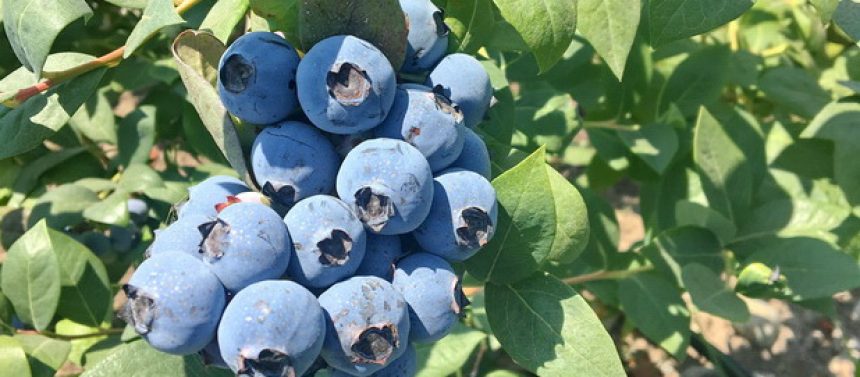
Si aceptamos que la vida de postcosecha comienza antes de la cosecha, necesitamos una nueva forma de caracterizar ese potencial.
Por eso, propongo avanzar hacia un Pre-Harvest Shelf-Life Score®: una herramienta que permita estimar el potencial de vida de postcosecha de una combinación específica de genética + campo + estado fisiológico + manejo pre-cosecha.
No se trata de asignar simplemente una puntuación a una variedad.
Se trata de construir un perfil de comportamiento.
¿Qué debería considerar?
- Firmeza
No solamente la firmeza al momento de cosecha, sino su evolución durante almacenamiento.
La evidencia disponible demuestra que la firmeza inicial puede ser un buen indicador para períodos cortos, pero pierde capacidad predictiva cuando el almacenamiento se prolonga. En un estudio con 588 genotipos, la firmeza inicial explicó el 79% de la variación a una semana, pero solamente el 23% a las siete semanas.
Por lo tanto:
Firmeza inicial ≠ vida de postcosecha.
Lo que realmente necesitamos conocer es la velocidad de pérdida de firmeza.
- Susceptibilidad a pérdida de peso
La capacidad del fruto para mantener agua determina una parte importante de su condición visual, textura y comportamiento comercial.
Pero tampoco debemos asumir que toda pérdida de firmeza puede explicarse solamente por pérdida de agua. En estudios genéticos recientes, la relación entre pérdida de peso y cambio de firmeza no fue suficiente para explicar la enorme variabilidad observada entre genotipos.
Esto refuerza la necesidad de estudiar la fisiología propia de cada genética.
- Incidencia de Botrytis y deterioro
La vida comercial no termina cuando la fruta pierde firmeza.
La aparición de pudriciones, deshidratación, colapso de tejidos o pérdida de bloom puede definir mucho antes el límite comercial.
Por eso, la incidencia de Botrytis debe incorporarse como una variable dinámica y no solamente como una evaluación final.
- Retención de bloom
El bloom es uno de los atributos visuales que comunica frescura al consumidor.
Su evolución durante el almacenamiento puede convertirse en un indicador complementario del estado de condición del fruto.
La pregunta cambia de: ¿Tiene bloom?
a: ¿Cuánto bloom es capaz de conservar?
- Daño mecánico
La genética también interactúa con la susceptibilidad al daño producido durante cosecha, manipulación, packing y transporte.
Una fruta puede tener una excelente firmeza instrumental y, sin embargo, presentar una elevada susceptibilidad a daño mecánico.
Por eso, el comportamiento postcosecha debe evaluarse como un sistema.
- Temperatura de cosecha y respuesta al enfriamiento
La misma variedad cosechada bajo diferentes condiciones térmicas puede iniciar su vida postcosecha desde estados fisiológicos diferentes.
La temperatura de cosecha, el tiempo hasta preenfriamiento y la velocidad de remoción del calor deben formar parte del modelo.
No basta con conocer la temperatura de almacenamiento.
Debemos conocer cómo llegó la fruta a esa temperatura.
- Firmeza a 30 ;45 ; 60 días
Aquí aparece uno de los indicadores que considero más relevantes.
La pregunta no debería ser: ¿Qué tan firme es esta variedad?
Sino: ¿Qué tan firme seguirá siendo esta variedad después de 30; 45 o 60 días?
Esta diferencia es fundamental para variedades destinadas a mercados distantes.
La investigación genética confirma que existen genotipos que mantienen comportamientos muy diferentes durante períodos prolongados de almacenamiento y que la interacción entre genética y tiempo de almacenamiento puede ser determinante.
El Score no debería ser estático
El objetivo final sería construir un modelo que permita pasar de:
“Esta variedad tiene 85 Shore en cosecha”
a algo mucho más útil:
“Esta combinación genética–campo tiene una alta probabilidad de mantener una condición comercial determinada durante 30–45 días.”
Ese cambio representa, para mí, una de las grandes oportunidades de la nueva postcosecha.
Porque significa pasar de medir calidad a predecir comportamiento.
Y cuando podemos predecir comportamiento, podemos tomar mejores decisiones:
- Qué variedad plantar;
- Qué campos priorizar;
- Cuándo cosechar;
- Qué fruta enviar a cada mercado;
- Qué protocolo de frío utilizar;
- Qué tecnología postcosecha aplicar;
- Qué duración logística soportará realmente;
- y, finalmente, qué experiencia tendrá el consumidor.
El futuro: una postcosecha específica para cada genética
La industria del arándano está entrando en una etapa en la que ya no podemos hablar de “el protocolo de postcosecha del arándano”.
Debemos comenzar a hablar de:
«El protocolo de postcosecha de esta genética, en este campo, cosechada en este estado fisiológico y destinada a este mercado.»
Ese es el verdadero salto.
La nueva genética nos está entregando frutos con capacidades que hace algunos años eran difíciles de imaginar.
Pero también nos está obligando a cambiar nuestras preguntas.
La nueva postcosecha no consiste solamente en conservar lo que tenemos.
Consiste en entender, medir y predecir cómo evolucionará lo que cosechamos.
Ese es el desafío.
Y también es la oportunidad.
**Porque cada genética tiene su propio ritmo. Entenderlo es la clave para entregar más calidad, durante más tiempo.**
Pre-Harvest Shelf-Life Score®: Measuring tomorrow’s potential today
- Which variety to plant;
- Which fields to prioritize;
- When to harvest;
- Which fruit to send to each market;
- Which cold protocol to use;
- Which post-harvest technology to apply;
- What logistical duration it will actually withstand;and,
- finally, what experience the consumer will have.
The future: a specific post-harvest approach for each genetic line